albert martin
Mar 17, 2026 • 2 days agoWhy Proper Generator Installation Improves Performance
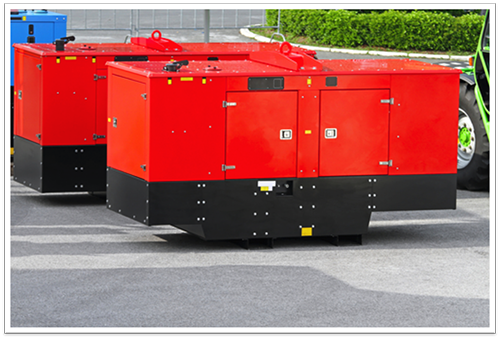
People drop a massive chunk of capital on an industrial standby engine and assume the hard part is over. The machine arrives on a heavy flatbed, a crane drops it into the dirt behind the warehouse, and the facility manager considers the property protected. That is a massive, incredibly expensive mistake. A heavy-duty diesel block isn't a plug-and-play household appliance. If you simply slap it down in a tight corner and run some cheap copper wire to the main breaker box, you are actively sabotaging your own investment. If you want to see the strict engineering tolerances required to set these massive systems up correctly, you can check out resources like ablepower.com.au/ to understand the baseline mechanical requirements. The truth is, how that machine is physically bolted down, plumbed, and wired dictates exactly how it will perform when the local grid collapses. Let’s look at the harsh mechanical realities of why a sloppy installation actively kills engine performance.
The Foundation and the Vibration Problem
A large diesel engine is essentially a controlled explosion machine. It shakes violently by design. If you do not pour a properly engineered, steel-reinforced concrete pad for it to sit on, that aggressive vibration has nowhere safe to disperse. It rattles the steel enclosure, violently shakes the delicate electrical relays inside the digital control panel, and eventually fractures the rigid steel fuel lines.
Even more critical is the leveling. If a contractor gets lazy and pours a pad that isn't perfectly flat, the massive volume of heavy lubricating oil sitting in the engine's belly pan pools entirely to one side. When the grid drops and the engine cranks, the mechanical oil pump sucks in dry air instead of liquid lubricant. This starves the top-end bearings and destroys the camshaft in a matter of seconds. A perfectly level, vibration-isolated foundation isn't just about making the site look clean; it is what physically keeps the engine block from tearing itself apart.
Suffocation and the Thermal Loop
Engines need to breathe. They inhale massive amounts of cold, oxygen-dense air to violently burn fuel, and they rely on massive steel radiators to blast away internal heat. A frightening number of installations shove the generator into a tight brick corner, put a roof right over the exhaust, or surround it with dense security fencing to hide it from the street.
When you restrict the intake vents, the engine suffocates. It runs incredibly "rich," dumping unburned black smoke out the stack and losing a massive chunk of its rated horsepower. Even worse is a physical layout that causes thermal recirculation. This happens when the hot air blowing out of the radiator hits a nearby concrete wall and gets sucked right back into the cooling intake vents. The engine ends up trying to cool itself with 130-degree air. It will physically cook itself and trigger a high-temperature automatic shutdown right in the middle of a blackout.
Exhaust Plumbing and the Backpressure Killer
The exhaust system isn't just a metal pipe designed to point the smoke away from the building. It is a highly calculated escape route for rapidly expanding, superheated gases. When installing standby units inside a basement or a mechanical room, the exhaust has to be piped a long way to reach the outside air.
If an installer uses piping that is physically too narrow, or throws in too many sharp, ninety-degree elbows to route the pipe around a complex roofline, it creates severe mechanical backpressure. The engine suddenly has to fight against its own trapped exhaust gases just to push the heavy steel pistons up. This parasitic drag completely kills the generator's fuel efficiency, artificially caps its maximum electrical output, and drives the internal cylinder temperatures to a dangerous, melting point.
The Electrical Choke Point
You can generate all the raw voltage in the world, but if the bridge between the alternator and the building is compromised, the power never reaches your equipment. Sizing the heavy copper runs is a strict, unforgiving mathematical science.
If an electrical contractor tries to save a few hundred bucks by running undersized wire over a long distance from the yard to the electrical room, the natural electrical resistance turns that wire into a massive heating element. You lose critical voltage over that distance. This means the sensitive machinery inside your facility receives a weak, sagging electrical current that will quickly fry delicate circuit boards and burn out industrial electric motors. Properly torqued lugs, correct wire sizing, and flawlessly installed automatic transfer switches are what actually deliver the clean, flat power your building needs to survive a storm.
Fuel Lines and the Threat of Air Leaks
Fuel delivery is the absolute lifeblood of the entire system. For massive industrial setups, the main bulk fuel tank is often located entirely separate from the generator enclosure to comply with local fire codes. This requires long, heavily protected fuel lines and mechanical lift pumps to drag the heavy diesel from the tank to the engine block.
If those lines are installed with weak plumbing fittings or lack proper mechanical check valves, gravity pulls the heavy fuel back down into the tank every time the machine is turned off. This leaves a massive pocket of dry air directly inside the fuel line. When the emergency start signal fires, the engine sucks in a massive gulp of air instead of combustible diesel. It stutters violently, coughs, and completely stalls out before the transfer switch even has a chance to flip. Proper plumbing ensures the fuel is always heavily pressurized and sitting right at the injector tip, waiting for the signal.
Ultimately, paying top dollar for heavy-duty iron and then cutting corners on the installation is throwing your money directly into the trash. The machine is only as reliable as the physical infrastructure connecting it to your building.
Comments (12)
John Doe
Great post! Very informative and well-written.